

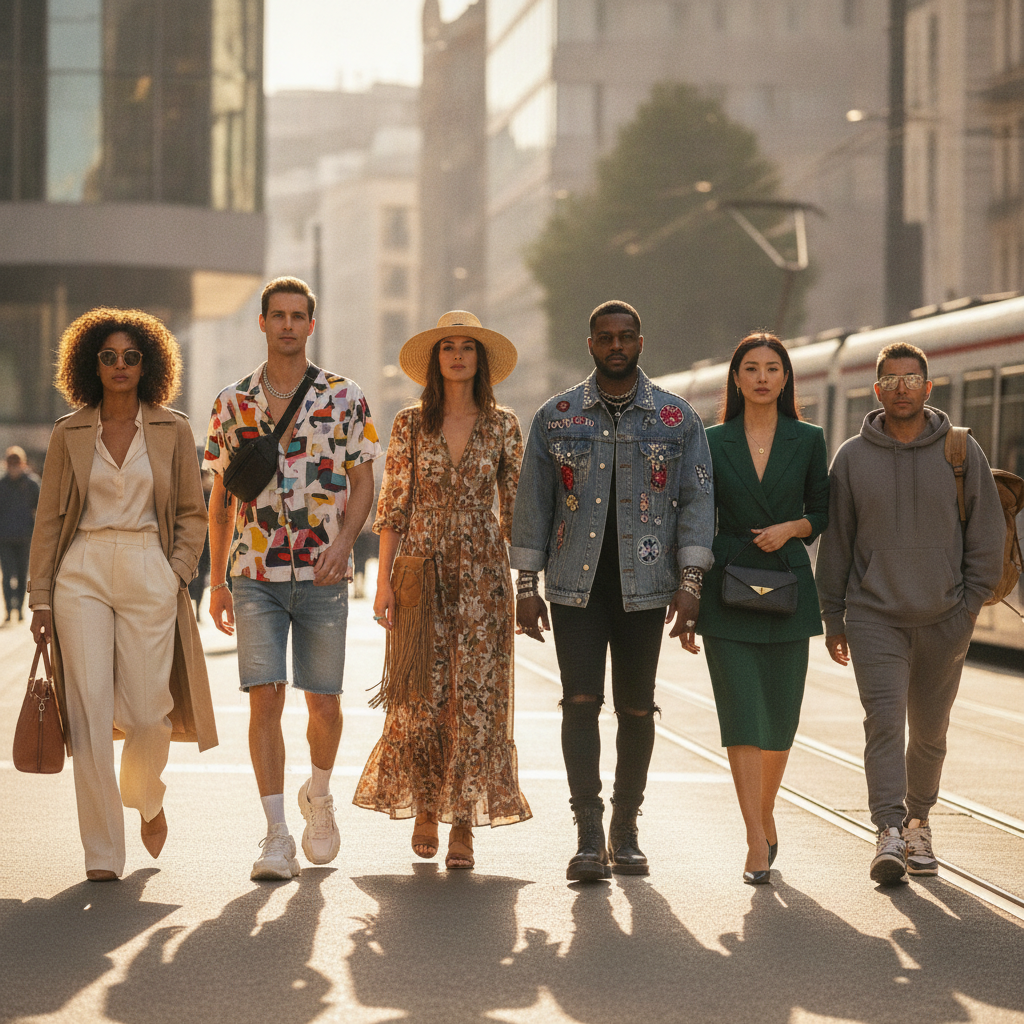
Fashion is an important part of everyday life. It influences what people wear, how they present themselves, and how they express their personalities. From traditional clothing to modern streetwear, fashion continues to evolve with culture, technology, and changing lifestyles. Today, fashion is not only about following trends but also about finding a personal style that feels comfortable and authentic.
What Is Fashion?
Fashion refers to popular styles of clothing, footwear, accessories, hairstyles, and overall appearance during a particular period. It can be influenced by designers, celebrities, social media, cultural traditions, music, art, and even global events.
Although fashion trends change frequently, personal style can remain consistent. Some people prefer classic clothing that never goes out of style, while others enjoy experimenting with new colors, patterns, and designs. The beauty of fashion is that there is no single correct way to dress.
The Importance of Fashion
Fashion can have a significant impact on confidence and self-expression. The clothes people choose can communicate their personality, mood, profession, culture, or interests. A well-selected outfit can help someone feel comfortable and confident in different situations.
Fashion also plays an important role in society and the economy. The industry creates millions of jobs worldwide, including opportunities for designers, manufacturers, photographers, models, marketers, retailers, and content creators. Fashion brands also contribute to international trade and support many related industries.
Beyond its economic value, fashion can preserve cultural identity. Traditional clothing often represents the history, beliefs, and artistic heritage of a community. Modern designers frequently combine traditional elements with contemporary designs to create unique styles.
Popular Fashion Trends
Fashion trends change from season to season. Some trends become popular for only a short period, while others remain influential for many years. Casual and comfortable clothing, for example, has become increasingly popular as people seek outfits that work for both everyday activities and social occasions.
Streetwear is another influential area of modern fashion. Inspired by youth culture, sports, music, and urban communities, streetwear often includes sneakers, hoodies, relaxed trousers, jackets, and graphic shirts.
Minimalist fashion is also popular among people who prefer simple and versatile wardrobes. Neutral colors, clean designs, and high-quality basics can be combined in many different ways, making minimalist clothing practical and timeless.
Social media has accelerated the speed at which fashion trends spread. Platforms allow people to discover new brands, styling ideas, and designers almost instantly. Influencers and online creators can introduce a particular style to millions of followers, turning small trends into global movements.
Sustainable Fashion
One of the most important developments in the fashion industry is the growing interest in sustainability. Traditional fashion production can consume large amounts of water and energy while creating significant waste. As consumers become more environmentally conscious, many are looking for better alternatives.
Sustainable fashion focuses on reducing environmental impact through responsible production, durable materials, recycling, and ethical manufacturing practices. Buying fewer but better-quality garments can also help reduce unnecessary consumption.
Secondhand shopping has become another popular approach. Thrift stores, resale platforms, and clothing exchanges allow consumers to extend the life of garments and reduce textile waste. Vintage fashion also gives people an opportunity to create distinctive outfits while reusing existing clothing.
How to Develop Personal Style
Developing personal fashion style does not require buying expensive clothes. The first step is understanding what colors, shapes, and fabrics make you feel comfortable. It can be helpful to build a wardrobe around versatile pieces that can be combined easily.
Accessories can also transform a simple outfit. Watches, bags, scarves, jewelry, hats, and shoes can add personality without requiring a completely new wardrobe.
It is also important not to follow every trend. A fashion trend may look excellent on one person but feel uncomfortable or unsuitable for another. Instead, trends can be used as inspiration while maintaining your own preferences.
The Future of Fashion
Technology is likely to play an increasingly important role in fashion. Online shopping, virtual fitting tools, artificial intelligence, digital design, and personalized recommendations are already changing how consumers discover and purchase clothing.
At the same time, sustainability is expected to remain a major focus. Consumers are becoming more interested in where their clothes come from, how they are produced, and how long they will last. Fashion brands that combine creativity with responsible production may have stronger opportunities in the future.
Conclusion
Fashion is more than a collection of changing trends. It is a form of communication, creativity, culture, and personal expression. From everyday clothing to luxury design, fashion allows people to show who they are while connecting with broader cultural movements.
Whether you prefer classic outfits, modern streetwear, sustainable clothing, or experimental designs, the most important part of fashion is finding a style that reflects your personality and makes you feel confident. As technology, culture, and consumer values continue to change, fashion will remain an evolving and influential part of everyday life.