

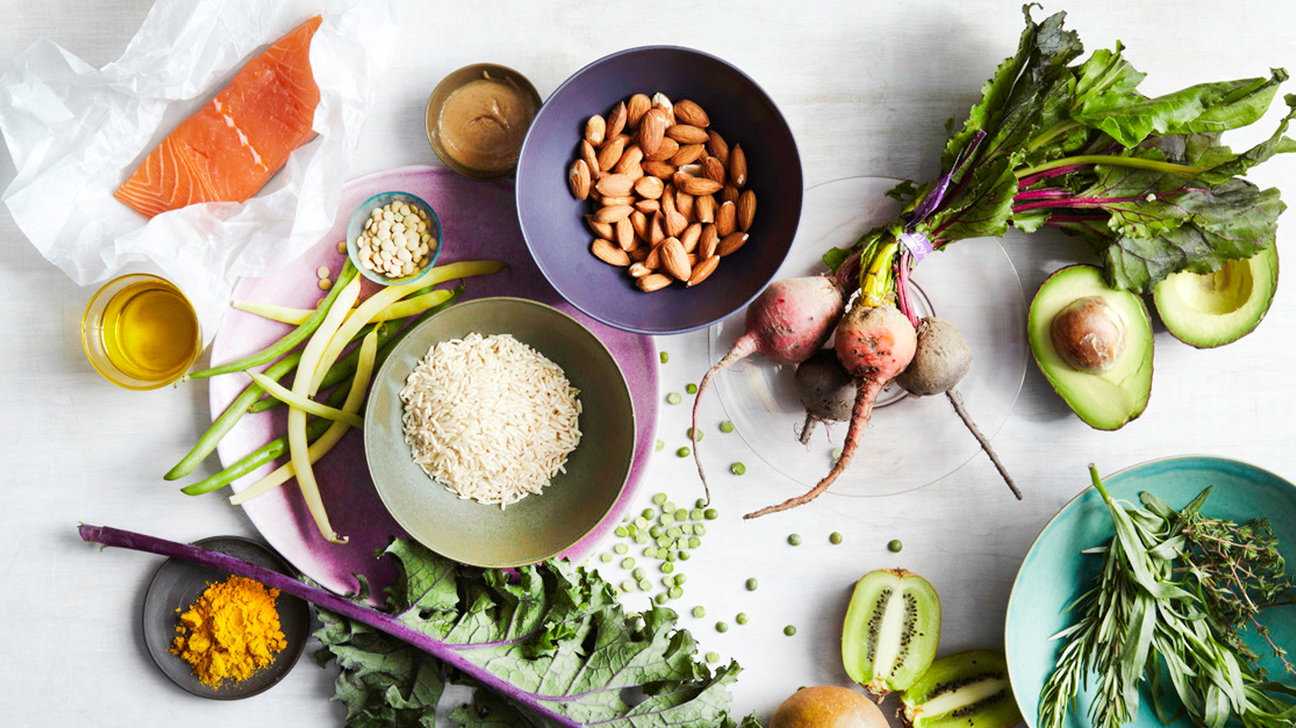
Food is one of the most essential parts of human life. It provides the energy and nutrients the body needs to function, grow, and stay healthy. However, food is much more than fuel for the body. It is connected to culture, family, tradition, celebrations, and social life. From homemade meals to international cuisine, food brings people together and offers countless ways to experience different flavors and traditions.
What Is Food?
Food refers to substances that people consume to provide their bodies with energy and essential nutrients. Common food groups include fruits, vegetables, grains, proteins, dairy products, and healthy fats. Each group provides different nutrients that support the body’s normal functions.
A balanced diet includes a variety of foods rather than relying heavily on one type. Eating different foods can help provide important vitamins, minerals, protein, carbohydrates, fiber, and fats. The right balance may vary depending on a person’s age, lifestyle, activity level, and individual needs.
The Importance of Healthy Food
Healthy food plays an important role in maintaining overall well-being. Nutritious meals can provide the body with energy for daily activities and support normal growth and development. Fruits and vegetables, for example, contain vitamins, minerals, and fiber that are important parts of a balanced diet.
Whole grains can provide carbohydrates and fiber, while foods such as beans, eggs, fish, meat, and other protein-rich options can contribute to maintaining and repairing body tissues. Healthy sources of fat can also be part of a balanced eating pattern.
Eating habits are important as well. A diet that frequently contains excessive amounts of added sugar, salt, or highly processed foods may make it harder to maintain a balanced lifestyle. Choosing a variety of nutritious foods and paying attention to portion sizes can support healthier eating habits.
Food and Culture
Food is closely connected to culture and tradition. Different regions around the world have developed unique cuisines based on local ingredients, history, climate, and customs. For example, rice is an important staple in many Asian countries, while bread and pasta play major roles in many European cuisines.
Traditional recipes are often passed from one generation to another. Families may prepare special dishes during holidays, weddings, religious celebrations, and other important events. These meals can create a strong connection between food and personal memories.
Exploring international food can also help people learn about other cultures. Trying a new dish can introduce unfamiliar ingredients, cooking techniques, and traditions while making dining a more enjoyable experience.
The Rise of Food Trends
Modern food trends are influenced by social media, technology, travel, and changing consumer preferences. People can discover recipes and cooking ideas from almost anywhere in the world through online platforms.
Plant-based meals, international cuisine, homemade recipes, meal preparation, and sustainable food choices have become popular topics among consumers. Restaurants and food businesses also respond to these trends by creating new menus and experimenting with different flavors.
Food photography and online recipe content have further changed the way people interact with food. A visually appealing meal can quickly become popular online, inspiring thousands of people to try preparing it themselves.
Sustainable Food Choices
The way food is produced and consumed can have an impact on the environment. Sustainable food choices focus on reducing waste, using resources responsibly, and supporting responsible agricultural practices.
Reducing food waste is one practical step. Planning meals, storing ingredients correctly, using leftovers, and buying only what is needed can help prevent unnecessary waste. Choosing seasonal and locally available ingredients when practical may also support local producers and reduce some transportation needs.
Consumers can also learn more about where their food comes from. Understanding how ingredients are produced can encourage more thoughtful purchasing decisions.
Enjoying Food Responsibly
Food should not only be viewed in terms of nutrition. Enjoying meals is an important part of everyday life. Sharing food with family and friends can strengthen relationships and create meaningful experiences.
Cooking at home can also be a rewarding activity. It allows people to experiment with ingredients, develop useful skills, and control what goes into their meals. Simple recipes can be a good starting point for anyone who wants to become more comfortable in the kitchen.
At the same time, healthy eating does not mean completely avoiding favorite foods. A balanced approach allows room for enjoyment while maintaining nutritious habits most of the time.
Conclusion
Food is an essential part of life that influences health, culture, relationships, and daily experiences. Choosing a varied and balanced selection of foods can help support a healthy lifestyle, while exploring different cuisines can make eating more interesting and enjoyable.
From traditional family recipes to modern food trends, food continues to connect people around the world. By making thoughtful choices, reducing waste, learning about different cuisines, and enjoying meals in moderation, people can develop a healthier and more positive relationship with food.